How do dieta, icaros and ceremony connect?
In the practice described by our maestros, dieta is a way of learning from plants; icaros bring that learning into song; ceremony is where the shaman works with the guest. These are connected parts of the practice, with different roles.
A shaman’s preparation extends beyond the time spent in a ceremony. Relationships with teachers and plants are cultivated over years. During a retreat, your shaman draws on that learning while singing icaros and guiding the agreed plant practices.
Guests do not need to complete a shamanic apprenticeship to attend a retreat. A seven- or nine-day visit and a long plant dieta are different commitments, and the team explains what your own stay includes.
Read the scientific explanation of ayahuasca ↗
A tradition rooted in Shipibo community life
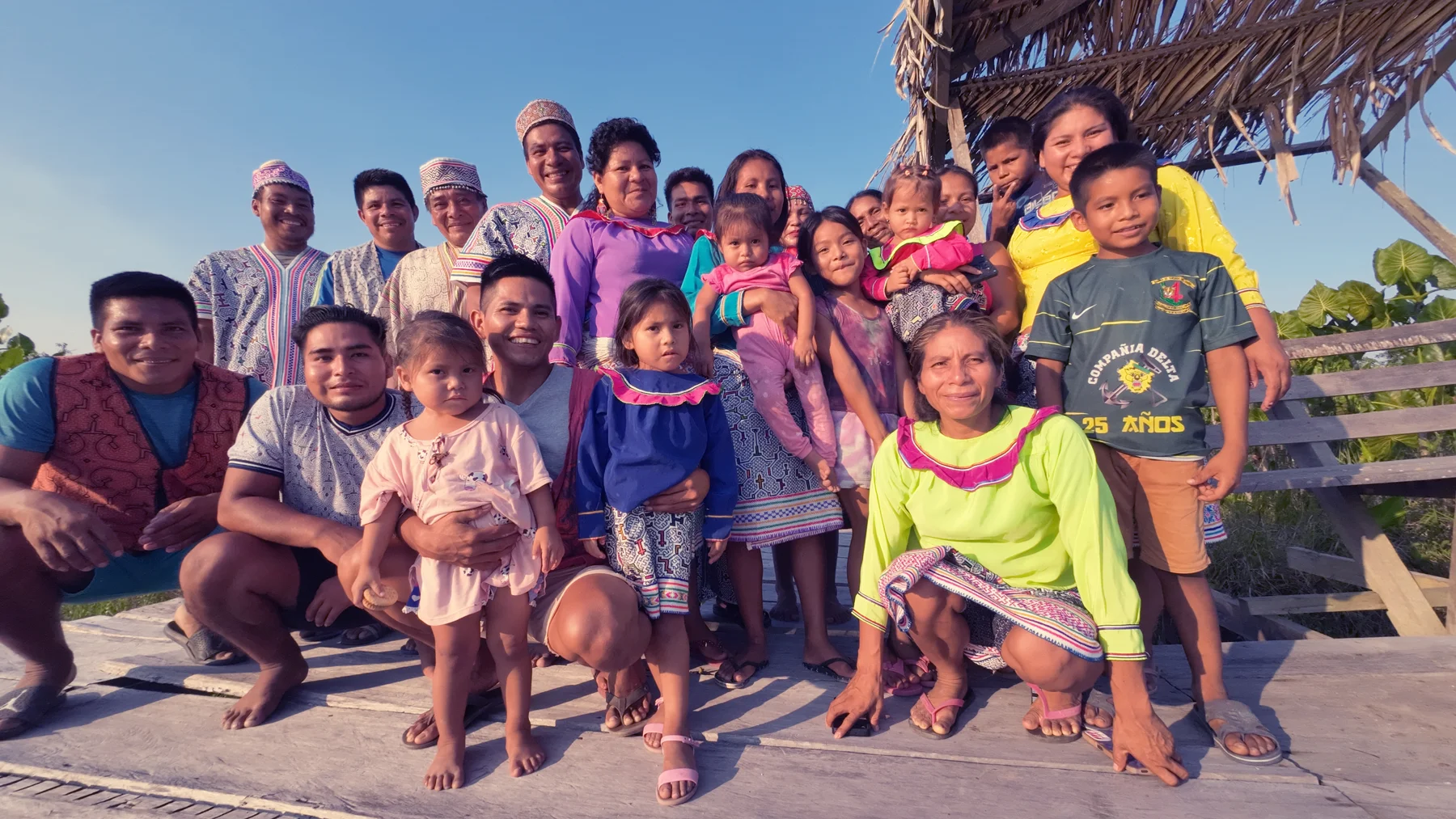
Our retreat is in Santa Rosa de Dinamarca, a Shipibo community in Ucayali. Pucallpa is the arrival point for the onward journey. Staying here connects your visit to the community where our practitioners live and work.
Family lineage is part of that context. Diomar and his father Roger carry a family practice; Antonio and Rosa bring their own histories of learning and teaching. Meet the maestros and read about their teachers to understand the people behind these traditions.
Onanya and the work of learning
Onanya is a Shipibo term associated with a knowledgeable practitioner. Our team describes the path of learning through teachers, disciplined plant dieta and sustained practice. The biographies on this site explain the individual histories behind the titles.
Diomar describes his rama as a spiritual lineage carried across generations and strengthened through his relationships with plants. These relationships are understood within his practice as a source of knowledge, guidance and protection.
Plant dieta: more than a list of foods
In this context, dieta is a guided plant practice involving preparation, personal discipline and a relationship with a teacher. Food arrangements belong to that wider practice; they are not its whole meaning.
In his video introduction, Diomar explains that the maestros regard plants as extended family and look to dieta for knowledge and wisdom. Which plant is involved, the length of the practice and the support required must be discussed individually.
Piñón Blanco dieta is a separate practice from the Piñón negro cleansing ceremony included in our retreat packages.
Icaros: live song and personal attention
Icaros are ceremonial songs used in Amazonian traditions. Here, your shaman sings live, drawing on their own learning and relationships with plants. Our maestros describe their songs as a way to guide the ceremonial work and call upon plant spirits for support and protection.
The four dimensions below explain the intentions our team associates with that work. They describe our practice; different families and practitioners may explain their traditions differently.
You may also attend and listen to icaros without drinking ayahuasca, following the same retreat arrangements. This gives you a way to encounter the songs and the people who carry them, with your participation discussed before arrival.
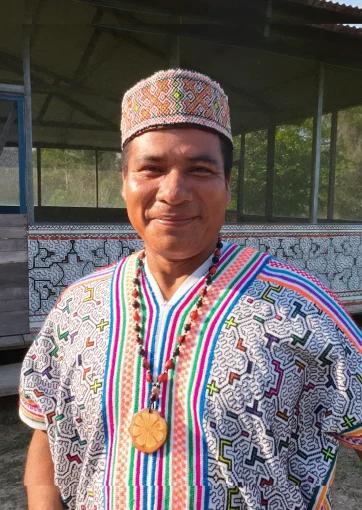
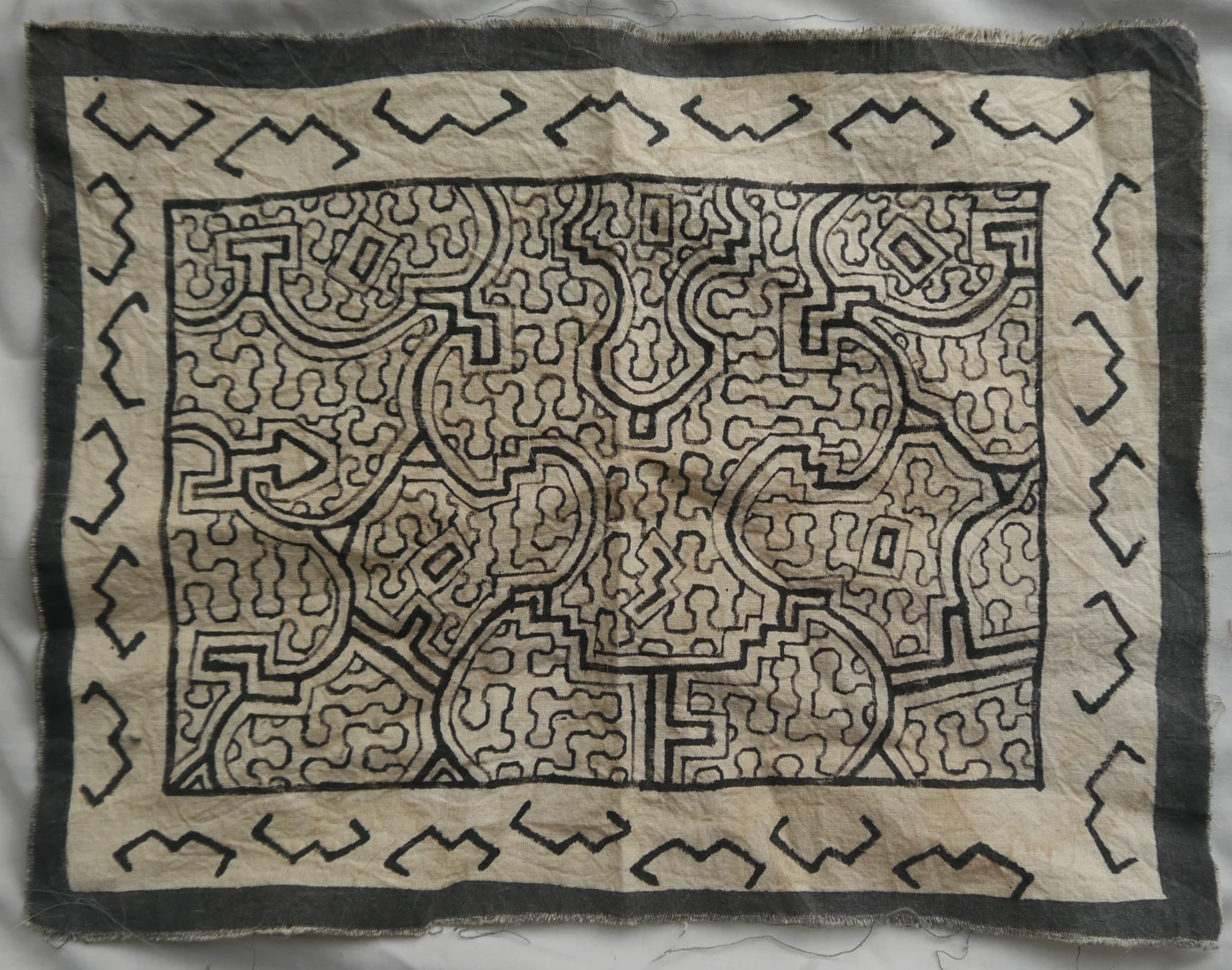
Kené and the visual language of Shipibo culture
Kené refers to Shipibo-Konibo design traditions, including the intricate patterns seen on clothing and textiles. The photographs of our practitioners show the people and clothing associated with this retreat.
The luminous patterns and plant spirits in our interactive ceremony scene are artistic interpretations. They express the atmosphere chosen for the site and do not predict what a participant will see or feel.